
How to Choose the Best Peptide Manufacturers in the USA (Compared)
How to Choose the Best Peptide Manufacturers in the USA (Compared)
![[HERO] How to Choose the Best Peptide Manufacturers in the USA (Compared)](https://cdn.marblism.com/uGFm9NrSxqS.webp)
The landscape of modern regenerative medicine is increasingly dominated by the integration of peptide therapy, a field that utilizes short chains of amino acids to signal specific biological responses. As healthcare providers and clinical researchers expand their protocols to include compounds like BPC-157 or Cagrilintide , the critical nature of sourcing becomes the primary determinant of patient safety and research efficacy. Choosing the best peptide manufacturers in the USA requires a sophisticated understanding of biochemical purity, regulatory compliance, and supply chain logistics. Because the market is saturated with varying grades of quality, practitioners must implement a rigorous vetting process to ensure they are acquiring pharmaceutical-grade materials rather than substandard alternatives.
The Significance of 99% Purity in Clinical Research
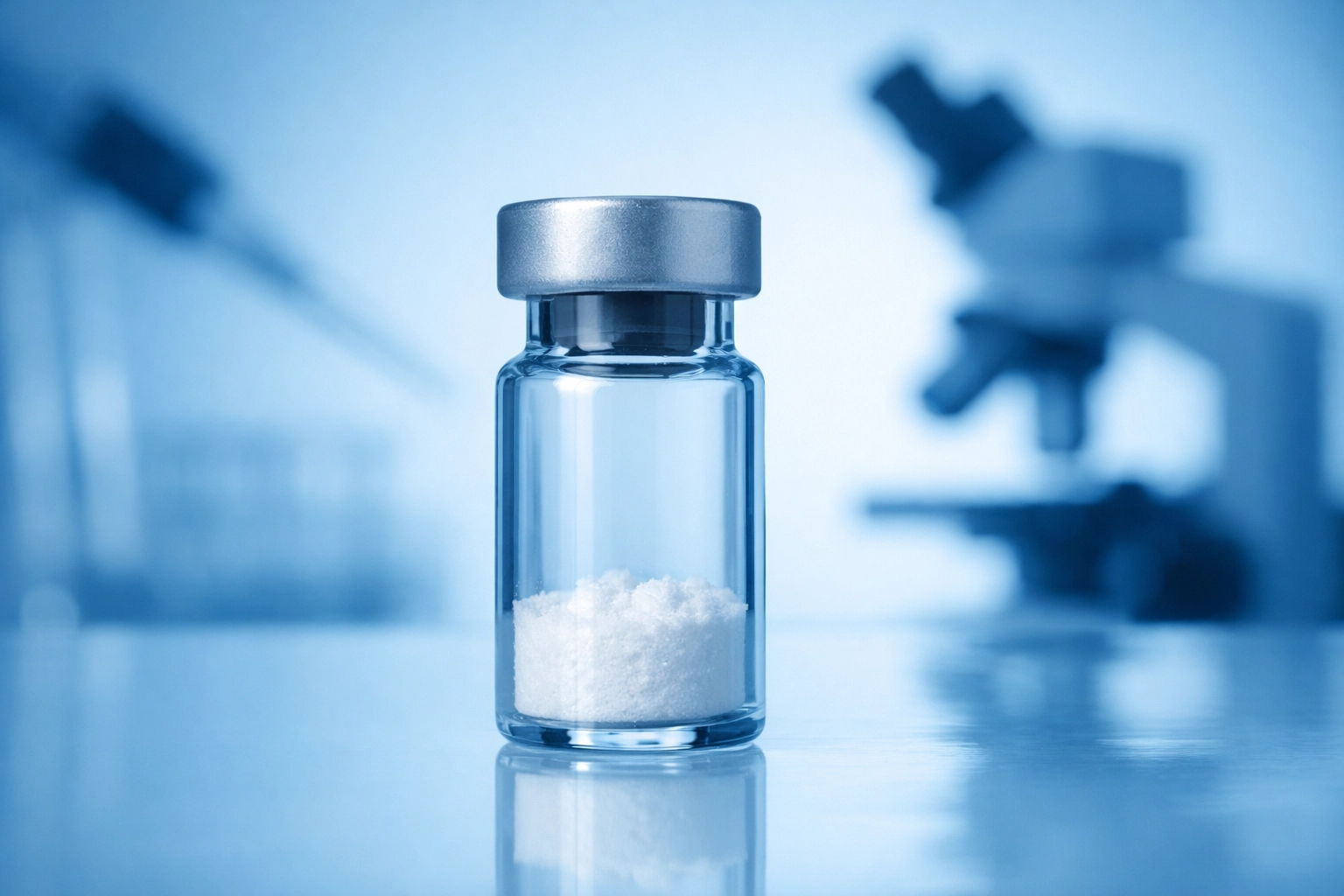
When evaluating peptide manufacturers, the most critical metric is the purity level of the final lyophilized product. High-purity peptides, specifically those exceeding 99% purity, are essential for ensuring that biological responses are a result of the peptide itself rather than residual solvents or truncated sequences. In many instances, lower-tier manufacturers may offer products at 95% or 98% purity, which might seem sufficient but often contains impurities like Trifluoroacetic acid (TFA) or leftover amino acid fragments. These impurities can trigger unintended inflammatory responses or cross-react with other cellular receptors, thereby confounding research data and compromising the integrity of clinical protocols.
Furthermore, the process of achieving 99%+ purity involves advanced High-Performance Liquid Chromatography (HPLC) and Mass Spectrometry (MS) to verify the sequence and the weight of the peptide. Specifically, HPLC is utilized to separate the target peptide from any related impurities based on hydrophobic characteristics, while Mass Spectrometry confirms that the molecular weight matches the theoretical value of the amino acid sequence. Manufacturers that prioritize these stringent analytical methods provide a level of reliability that is indispensable for practitioners focusing on longevity and metabolic health. Consequently, sourcing from entities that guarantee these standards is the foundational step in any successful peptide-based practice.

Why Domestic USA Manufacturing Matters for Supply Chain Reliability
The geographic origin of a peptide manufacturer carries significant implications for quality control and legal compliance. While international manufacturers may offer lower price points, they frequently operate under different regulatory frameworks that may not align with the rigorous standards expected by American healthcare providers. Sourcing from US-based manufacturers ensures that the facility adheres to established laboratory practices and is subject to domestic oversight. Moreover, domestic manufacturing significantly reduces the risks associated with international shipping, such as prolonged exposure to extreme temperatures during customs delays, which can degrade sensitive lyophilized powders.
Additionally, US-based manufacturers like Biomed Peptides offer a level of supply chain transparency that is often missing from foreign suppliers. When a manufacturer operates within the United States, practitioners have better recourse and more direct communication channels to verify the provenance of their materials. This proximity also facilitates faster shipping times, which is vital for clinics that maintain lean inventories and require rapid replenishment of popular compounds. Ultimately, the stability provided by a domestic supply chain translates to more consistent outcomes for the providers who rely on these peptides for their daily operations.
Understanding the Role of Third-Party Certificates of Analysis (COA)
Transparency in manufacturing is best evidenced through the provision of a third-party Certificate of Analysis (COA) for every batch produced. A COA is a formal document that outlines the results of the analytical testing performed on a specific lot of peptides, confirming its purity, identity, and the absence of contaminants. While many manufacturers conduct in-house testing, the gold standard for healthcare providers is independent, third-party verification. This independent oversight ensures that the manufacturer’s claims are validated by an objective entity, providing an extra layer of security for the end-user.
Specifically, a comprehensive COA should include the HPLC chromatogram, which visually represents the purity of the sample, and the Mass Spec report, which confirms the molecular identity. Practitioners should avoid any manufacturer that cannot or will not provide batch-specific documentation upon request. Furthermore, the ability to cross-reference these documents with the lot numbers on the vials is a hallmark of a professional-grade supplier. By demanding these high levels of transparency, providers can ensure they are integrating only the highest quality compounds, such as Thymosin Alpha-1 , into their specialized healthcare protocols.

Comparing Wholesale Models: MOQs vs. Flexibility
A common hurdle for many boutique clinics and independent researchers is the presence of high Minimum Order Quantities (MOQs) enforced by large-scale pharmaceutical manufacturers. Many established industrial manufacturers require the purchase of thousands of dollars in inventory upfront, which can be prohibitive for practitioners who are just beginning to offer peptide therapy or who wish to trial new protocols. In contrast, providers like Biomed Peptides have disrupted this model by offering wholesale pricing with no minimum order requirements. This flexibility allows for a more agile clinical environment where inventory can be scaled according to actual demand.
Moreover, the absence of MOQs enables providers to diversify their offerings without a massive capital investment. A clinic can simultaneously stock DSIP for sleep research and 5-Amino-1MQ for metabolic studies without the pressure of liquidating large quantities of a single product. This accessibility is a key differentiator in the market, as it empowers a broader range of healthcare professionals to participate in the peptide revolution. When comparing manufacturers, the financial structure of the partnership is often just as important as the chemical purity of the products.

Evaluating Manufacturer Types: Research vs. Pharmaceutical Scale
In the current market, manufacturers generally fall into three categories: large-scale pharmaceutical manufacturers, international custom synthesis houses, and specialized domestic research suppliers. Large-scale manufacturers such as Bachem or Thermo Fisher are excellent for multi-million dollar clinical trials but are often inaccessible to the average clinical practice due to their rigid corporate structures and volume requirements. International synthesis houses, while prolific, often struggle with the consistency and documentation standards required for high-level clinical confidence.
Specifically, specialized domestic suppliers like Biomed Peptides occupy a crucial middle ground. These manufacturers focus on providing high-purity, research-grade peptides with the logistical ease that modern clinics require. By specializing in a specific catalog of popular peptides: including Thymosin Beta 4 and GHK-Cu: they can maintain deeper expertise and more rigorous quality control than generalist chemical distributors. Furthermore, these focused manufacturers are often more responsive to the evolving needs of the longevity and hormone optimization communities, rapidly incorporating new research findings into their production priorities.
The Future of Peptide Sourcing and Clinical Integration
As the regulatory environment surrounding peptide therapy continues to evolve, the distinction between high-quality manufacturers and "gray market" resellers will become even more pronounced. Practitioners who prioritize 99%+ purity, domestic manufacturing, and transparent third-party testing will be best positioned to navigate future industry changes. The shift toward direct-to-provider wholesale models is expected to accelerate, as it provides a more efficient and cost-effective pipeline for delivering these advanced compounds to the point of care.
Furthermore, the ongoing development of novel peptide blends and therapeutic protocols suggests a bright future for practitioners who partner with reliable manufacturers. Innovations in lyophilization technology and stabilized formulations will continue to improve the shelf life and efficacy of products like PNC-27. By establishing a relationship with a trusted US-based manufacturer today, healthcare providers can ensure they remain at the forefront of this transformative field, offering their patients the most advanced and reliable peptide therapies available.
In conclusion, the process of selecting a peptide manufacturer is a multifaceted decision that impacts every aspect of a medical practice. By focusing on the benchmarks of purity, domestic origin, and transparent documentation, providers can mitigate risk and maximize the potential of their peptide protocols. Whether a practice is looking to create an account to access wholesale pricing or is simply seeking to understand the technical nuances of peptide synthesis, the commitment to quality remains the most vital component of success in the pharmaceutical and healthcare landscape.