
NAD+ Therapy: 10 Things You Should Know Before Adding Injectables to Your Medspa Menu
NAD+ Therapy: 10 Things You Should Know Before Adding Injectables to Your Medspa Menu
![[HERO] NAD+ Therapy: 10 Things You Should Know Before Adding Injectables to Your Medspa Menu](https://cdn.marblism.com/hEo5FjbBewJ.webp)
The landscape of regenerative medicine and aesthetic wellness is undergoing a significant shift as patients increasingly seek biological optimization alongside topical treatments. Nicotinamide Adenine Dinucleotide, commonly known as NAD+, has emerged as a cornerstone of this movement, positioned at the intersection of metabolic health and cellular longevity. For medspa owners and healthcare providers, integrating NAD+ therapy into a clinical menu requires more than an understanding of its popularity; it demands a deep comprehension of the molecule’s biological significance, the rigorous standards for sourcing high-purity injectables, and the operational logistics of maintaining a premium peptide anti aging protocol.
What Is the Biological Significance of NAD+ in Modern Anti-Aging Medicine?
At its core, NAD+ is a fundamental coenzyme found in every living cell, acting as a critical catalyst for metabolic processes and DNA repair. As the human body ages, endogenous levels of this coenzyme naturally decline, a phenomenon that correlates with many of the hallmark signs of physiological aging and decreased cellular energy. This decline compromises the function of mitochondria: the powerhouses of the cell: and reduces the activity of sirtuins, which are proteins responsible for maintaining genomic stability. By replenishing these levels through exogenous administration, providers can offer patients a mechanism to enhance cellular resilience and systemic vitality.
Specifically, the administration of NAD+ therapy through subcutaneous or intravenous routes bypasses the digestive system, ensuring higher bioavailability than oral precursors. This delivery method is particularly attractive to medspa clients who prioritize immediate and measurable results. Furthermore, the role of NAD+ in sirtuin activation suggests that it does not merely mask the symptoms of aging but rather works at a molecular level to support the body’s intrinsic repair mechanisms. As research continues to evolve, the integration of high-purity peptides and coenzymes like NAD+ is becoming a non-negotiable component of any comprehensive wellness practice.
How Does Sourcing and Purity Impact Clinical Outcomes and Safety?
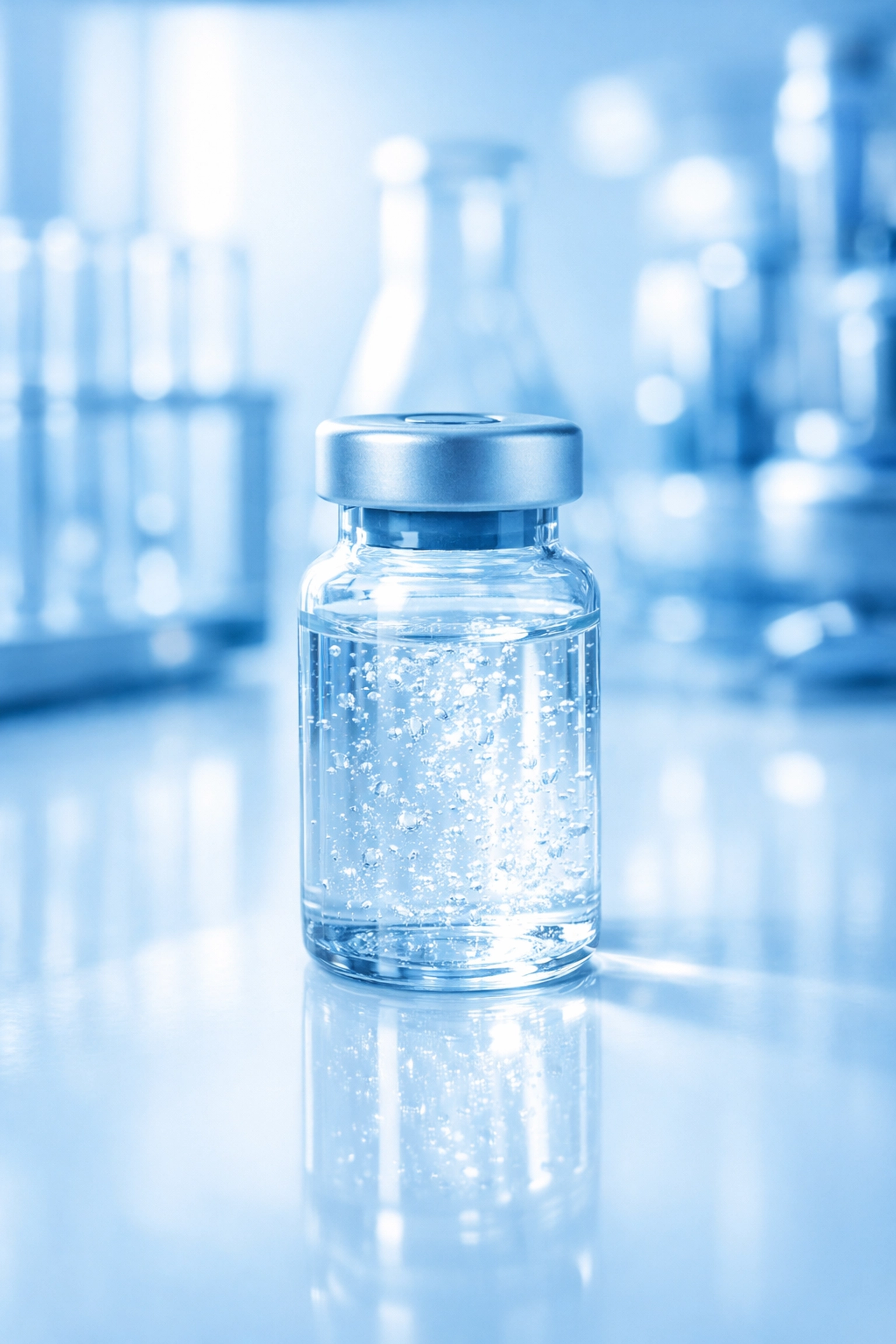
The primary concern for any medical practitioner when introducing a new injectable is the integrity of the supply chain and the purity of the compound. In the current market, the presence of contaminated or sub-pharmaceutical grade NAD+ represents a significant liability for medspas. Consequently, sourcing from reputable manufacturers who provide rigorous third-party testing and Certificates of Analysis (COAs) is essential for patient safety. Biomed Peptides addresses this necessity by ensuring that every batch of NAD+ meets stringent purity standards, allowing providers to administer treatments with complete confidence in the product's chemical composition.
Moreover, the stability of the molecule is a critical factor in its efficacy. Exposure to improper temperatures or light can lead to degradation, rendering the therapy less effective or potentially causing adverse reactions. To mitigate these risks, high-quality sourcing must be paired with efficient logistics. Biomed Peptides offers reliable 2-day shipping to ensure that clinics receive their wholesale orders promptly, maintaining the cold chain and product integrity from the laboratory to the patient’s side. This focus on pharmaceutical-grade quality and logistical speed is what distinguishes a professional-grade peptide program from amateur-level offerings.
What Are the Key Considerations for Patient Screening and Safety Protocols?
While NAD+ is a naturally occurring coenzyme, its administration in concentrated injectable forms requires thorough clinical oversight. Practitioners must recognize that NAD+ therapy is not a one-size-fits-all solution and necessitates a comprehensive review of the patient’s medical history. For instance, individuals with a history of certain metabolic disorders or those taking specific medications: including diabetes drugs or chemotherapy agents: may require medical clearance before beginning a protocol. Establishing a robust screening process is the first step in ensuring that the medspa maintains a high standard of care while minimizing the potential for adverse events.
Additionally, providers should be aware of the common side effects associated with rapid NAD+ administration. Patients frequently report sensations of flushing, nausea, or muscle cramping, particularly during the initial phase of an infusion or injection. These reactions are typically transient and are often a result of the body’s immediate metabolic response to the surge in coenzyme levels. By educating patients about these possibilities and adjusting the administration rate, clinicians can improve the patient experience and ensure higher compliance with multi-session treatment plans.
Can NAD+ Be Effectively Combined With Other Peptide Therapies?
The true potential of a medspa menu lies in the ability to create synergistic protocols that address multiple patient concerns simultaneously. NAD+ therapy serves as an excellent foundation for a variety of "peptide anti aging" stacks, working in tandem with molecules that promote tissue repair and metabolic efficiency. For example, combining NAD+ with growth hormone secretagogues or recovery peptides like BPC-157 can enhance the body’s overall regenerative capacity. While NAD+ fuels the cellular engine, these additional peptides provide the instructions for specific biological repairs.
Furthermore, for practices focused on metabolic health and weight management, NAD+ can be paired with modern GLP-1 agonists to support energy levels while patients undergo significant lifestyle changes. Providers might consider products such as Cagrilintide to round out their weight loss offerings. This multi-modality approach not only improves patient outcomes but also increases the average value per patient visit, making the medspa a true destination for cutting-edge longevity medicine. The future of the industry is undoubtedly moving toward these personalized, data-driven peptide protocols.
What Operational Advantages Does Wholesale Sourcing Provide to Medspas?
From a business perspective, the decision to add NAD+ injectables must be supported by a sustainable financial model. Wholesale pricing is a critical component of this equation, as it allows medspas to maintain healthy margins while keeping the treatments accessible to a broad patient base. By partnering with a dedicated supplier like Biomed Peptides, medspa owners can access tiered pricing structures that reward consistent ordering and high-volume usage. This economic efficiency is vital for scaling a practice in a competitive market where pricing transparency is increasingly important to consumers.
Specifically, the ability to order in bulk while knowing that the product is backed by third-party testing reduces the administrative burden on medspa managers. Instead of vetting multiple low-tier suppliers, a single partnership with a trusted source streamlines the procurement process. Furthermore, the availability of comprehensive accounts, which can be created through the Biomed Peptides create account portal, allows for easy tracking of orders and rapid re-stocking. This operational simplicity ensures that the clinical staff can focus on patient care rather than logistical hurdles, ultimately leading to a more successful and profitable practice.

How Should Providers Communicate the Benefits of NAD+ to Their Clients?
The success of a new service often hinges on the clarity of the marketing and patient education materials. When discussing NAD+ therapy, providers should move beyond technical jargon and focus on the tangible benefits that resonate with the client’s lifestyle. Emphasizing improvements in mental clarity, sustained energy levels, and enhanced physical recovery can help patients visualize the impact of the treatment on their daily lives. By positioning NAD+ as a "cellular reset," practitioners can tap into the growing consumer demand for "biohacking" and proactive health management.
Moreover, transparency regarding the science of peptide anti aging builds trust and positions the medspa as an authoritative voice in the community. Sharing information about the purity of the source, such as the use of COAs and the avoidance of contaminated food-grade ingredients, demonstrates a commitment to excellence that patients will appreciate. It is also beneficial to provide case studies or anecdotal evidence of patient success to illustrate the transformative potential of consistent NAD+ therapy. As patients become more educated about their options, they will gravitate toward providers who offer both the highest quality products and the most comprehensive clinical knowledge.
What Role Does Third-Party Testing Play in Legal Compliance and Liability?
In the current regulatory environment, the legal standing of injectable peptides and coenzymes is a topic of constant discussion. While many of these substances are currently available for research and clinical use under specific conditions, the responsibility for ensuring safety and compliance falls squarely on the provider. Utilizing products that have undergone rigorous third-party testing is perhaps the most significant step a clinic can take to mitigate liability. These tests verify that the product is free from endotoxins, heavy metals, and other contaminants that could lead to serious adverse reactions or legal complications.
Specifically, the FDA has issued warnings regarding the contamination of injectable products sourced from non-verified compounders. By choosing a manufacturer that prioritizes transparency and high-purity standards, a medspa can demonstrate due diligence in its procurement process. This is not only a matter of safety but also a matter of protecting the business's reputation. In the event of an audit or inquiry, having a paper trail of COAs and sourcing documentation from a reputable provider like Biomed Peptides is an invaluable asset for any healthcare business.
Why Is the 2-Day Shipping Model Crucial for Modern Clinics?
The fast-paced nature of the medspa industry requires a supply chain that can react to patient demand in real-time. Long lead times or backordered products can result in missed appointments and frustrated clients, ultimately damaging the practice's bottom line. A 2-day shipping model, such as the one implemented by Biomed Peptides, ensures that clinics can maintain lean inventory levels without the risk of running out of essential supplies. This agility is particularly important for NAD+, which is often requested by patients on a recurring basis as part of a long-term wellness plan.
Furthermore, rapid shipping minimizes the time the product spends in transit, which is beneficial for maintaining the stability of sensitive peptides. For providers looking to expand their offerings into specialized areas, such as immune support with Thymosin Alpha-1 or metabolic optimization with 5-Amino-1MQ , the ability to receive these products quickly and reliably is a major competitive advantage. Reliable logistics allow for a more dynamic and responsive business model that can adapt to the latest trends in aesthetic medicine.
What Is the Future Outlook for NAD+ and Regenerative Aesthetics?
As we look toward the future, the integration of cellular-level therapies like NAD+ is expected to become the standard of care in the aesthetic and wellness industry. The focus is shifting from merely treating the external signs of aging to addressing the underlying biological causes. This evolution will likely lead to even more sophisticated peptide formulations and delivery systems, further enhancing the efficacy and patient experience of these treatments. Providers who adopt these technologies now will be well-positioned to lead the market as consumer awareness continues to grow.
Specifically, the data generated from clinical use today will inform the protocols of tomorrow, leading to more personalized and targeted anti-aging interventions. The promise of NAD+ therapy lies in its ability to support the body's natural processes, offering a holistic approach to longevity that complements traditional aesthetic procedures. As medspas continue to evolve into comprehensive wellness centers, the role of high-purity injectables will only become more prominent. The transformation of the industry is well underway, and NAD+ is at the very heart of this exciting progression.
In conclusion, adding NAD+ therapy to a medspa menu is a strategic move that aligns with the current trends in regenerative medicine and patient demand for longevity solutions. By focusing on high-purity sourcing, rigorous safety protocols, and efficient wholesale logistics, providers can offer a premium service that delivers measurable results. The commitment to quality demonstrated by partnering with a manufacturer like Biomed Peptides ensures that both the patient's health and the clinic's reputation are protected. As the field of peptide anti aging continues to expand, the opportunities for innovation and growth within the medspa space are virtually limitless, promising a future where aging is not just managed, but optimized at the cellular level.