
How to Integrate BPC-157 and NAD+ Therapy with Your Existing Hormone Protocols
How to Integrate BPC-157 and NAD+ Therapy with Your Existing Hormone Protocols
![[HERO] How to Integrate BPC-157 and NAD+ Therapy with Your Existing Hormone Protocols](https://cdn.marblism.com/57lyrQ1rmDl.webp)
The landscape of restorative medicine is undergoing a significant transformation as practitioners shift away from isolated hormone replacement strategies toward more comprehensive, multi-modal protocols. While Testosterone Replacement Therapy (TRT) and Bioidentical Hormone Replacement Therapy (BHRT) remain the cornerstones of age management, the integration of regenerative peptides and metabolic coenzymes offers a sophisticated method for enhancing clinical outcomes. Specifically, the combination of BPC-157 and Nicotinamide Adenine Dinucleotide (NAD+) represents a potent synergy that addresses tissue repair and cellular energy production simultaneously. By layering these compounds into existing hormone regimens, healthcare providers can provide a more holistic approach to patient vitality, ensuring that the physiological "engine" is as robust as the hormonal signals driving it.
How Does BPC-157 Complement the Anabolic Environment of Hormone Therapy?
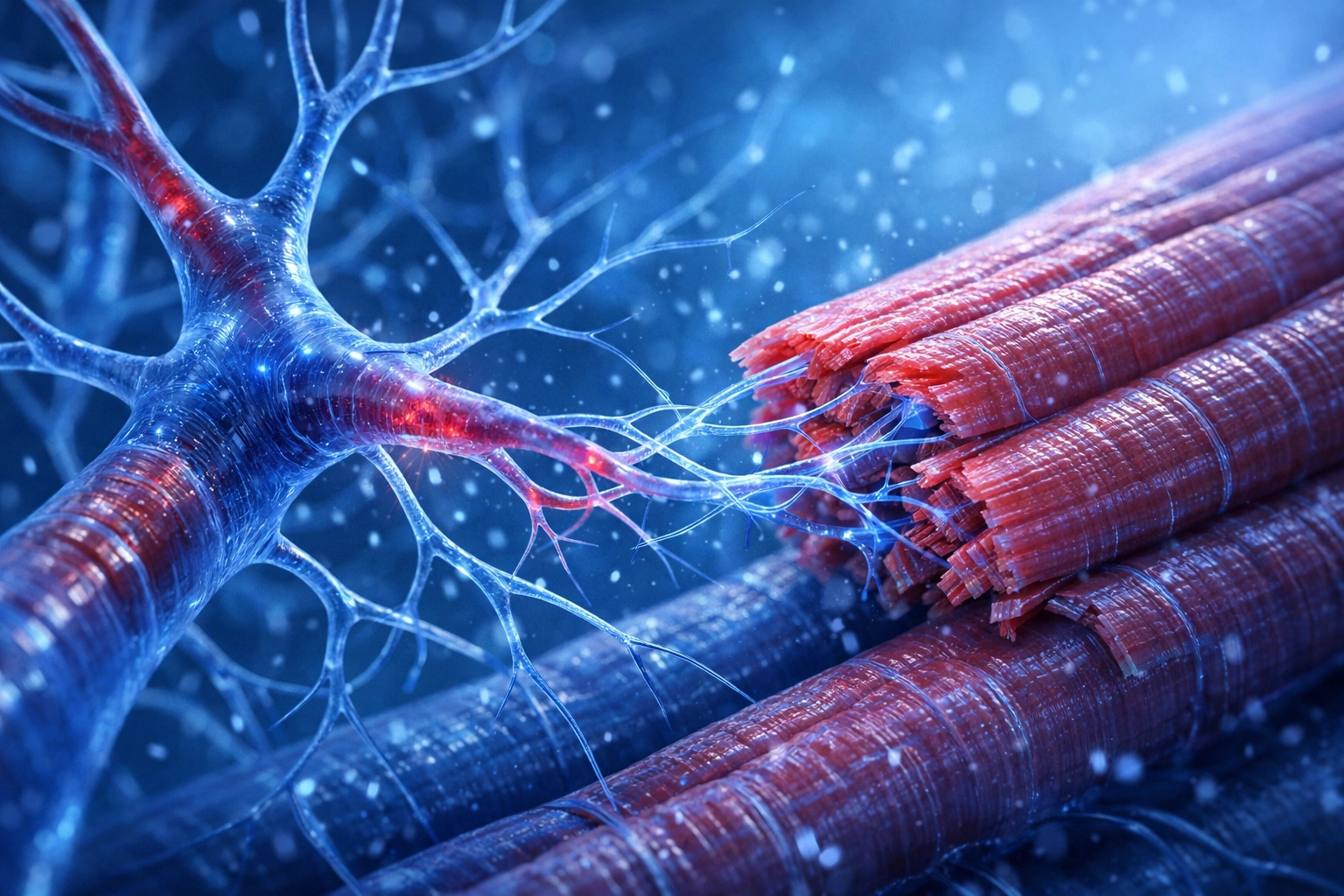
Body Protection Compound-157, or BPC-157, is a synthetic pentadecapeptide derived from a protein found in human gastric juice, renowned for its profound regenerative capabilities. In the context of hormone optimization, BPC-157 serves as an essential adjunct by accelerating the repair of musculoskeletal tissues that may be under increased stress due to the improved physical performance often associated with TRT. Furthermore, this peptide functions by upregulating the expression of growth factor receptors and promoting angiogenesis, which is the formation of new blood vessels, thereby ensuring that oxygen and nutrients are efficiently delivered to healing tissues. When a patient is on a testosterone protocol, the increase in muscle mass can sometimes outpace the structural integrity of tendons and ligaments; consequently, the introduction of BPC-157 provides the necessary biological support to prevent injury and facilitate rapid recovery.
Moreover, the mechanism by which BPC-157 modulates the nitric oxide (NO) pathway contributes to enhanced vascular health and systemic inflammation reduction. This is particularly relevant for patients undergoing hormone therapy who may experience localized inflammation or chronic joint pain that hormones alone cannot fully resolve. By stabilizing the cellular lining of the gastrointestinal tract and systemically lowering inflammatory markers, BPC-157 creates a more receptive internal environment for hormonal signaling to take effect. Specifically, the peptide’s ability to promote soft tissue healing through the activation of fibroblasts ensures that the physical gains achieved through hormone optimization are supported by a resilient and healthy structural framework.
Why is NAD+ Essential for Mitochondrial Optimization in Aging Patients?
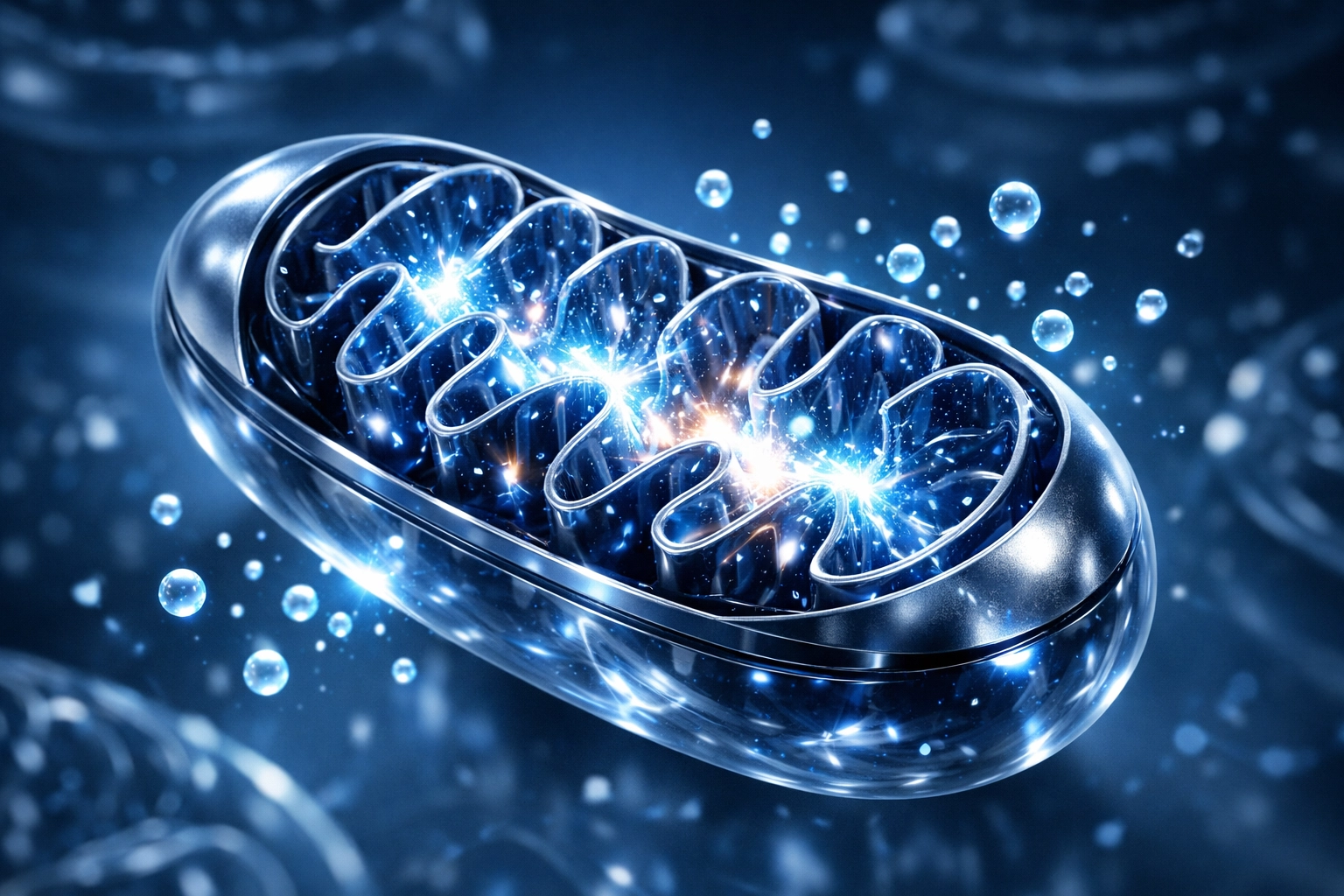
Nicotinamide Adenine Dinucleotide (NAD+) is a critical coenzyme found in every living cell, serving as a primary catalyst for mitochondrial function and DNA repair. As patients age, endogenous levels of NAD+ decline precipitously, leading to a state of "mitochondrial decay" that can hinder the effectiveness of exogenous hormone therapies. When NAD+ levels are restored alongside a hormone protocol, the cellular machinery responsible for converting nutrients into energy (ATP) becomes significantly more efficient, which often translates to improved cognitive clarity and physical endurance. Additionally, NAD+ is a vital substrate for sirtuins, a family of proteins responsible for cellular health and longevity, which play a major role in regulating metabolic homeostasis and DNA stability.
Furthermore, the integration of NAD+ therapy addresses the underlying cellular fatigue that many patients still experience even after their hormone levels have been optimized. While testosterone or estrogen can improve mood and libido, the fundamental energy required for cellular processes depends heavily on the availability of NAD+. By utilizing NAD+ injections or infusions, practitioners can bypass the limitations of oral precursors and provide a direct boost to the patient’s metabolic "currency." This intervention is particularly useful for patients with high-stress lifestyles or those exhibiting signs of metabolic syndrome, as it assists in the regulation of oxidative stress and supports the repair of damaged DNA strands, ultimately leading to a more youthful cellular phenotype.
How Should Practitioners Layer BPC-157 and NAD+ into Established Protocols?
The practical integration of these compounds requires a strategic understanding of timing and patient-specific goals within a clinical setting. For a patient currently stabilized on a TRT regimen, BPC-157 is often introduced during phases of intensive physical training or when the patient presents with persistent soft-tissue injuries. Specifically, a daily subcutaneous administration of BPC-157 can be utilized for cycles of six to twelve weeks to address localized issues while the testosterone maintains the patient’s systemic anabolic state. Additionally, because BPC-157 has a high safety profile and minimal cross-reactivity with sex hormones, it can be integrated without the need for complex adjustments to the primary hormone dosages.
In contrast, NAD+ therapy is frequently utilized as a foundational metabolic support that can be administered either through regular subcutaneous injections or periodic intravenous infusions. When combined with BPC-157, NAD+ provides the cellular energy required to drive the regenerative processes initiated by the peptide. For instance, a protocol might involve a "loading phase" of NAD+ to restore depleted levels, followed by maintenance dosing that coincides with the patient’s weekly hormone injections. This dual-pronged approach ensures that the patient’s hormones are optimized, their cellular energy is restored, and their structural tissues are actively being repaired, creating a comprehensive longevity strategy that far exceeds the results of monotherapy.
Comparative Analysis: Monotherapy vs. Integrated Regenerative Protocols
When comparing traditional hormone monotherapy to an integrated protocol involving BPC-157 and NAD+, the clinical advantages of the latter become strikingly apparent. Monotherapy typically focuses on the replacement of deficient hormones to reach a specific physiological range, which often resolves primary symptoms like low libido or muscle loss but may fail to address systemic inflammation or mitochondrial dysfunction. In contrast, an integrated approach recognizes that hormones do not operate in a vacuum; they require functional cells and healthy tissues to manifest their full benefits. Specifically, patients on integrated protocols often report a "synergistic effect" where the recovery time from exercise is halved and the subjective feeling of vitality is significantly more pronounced than with hormones alone.
Moreover, the long-term sustainability of patient health is improved when regenerative compounds are included in the treatment plan. While long-term hormone use is generally safe under medical supervision, it does not inherently repair damaged DNA or reverse mitochondrial aging in the way that NAD+ supplementation does. Furthermore, the proactive use of BPC-157 can prevent the cumulative wear and tear on the body that often leads to chronic pain in older populations. By choosing to source these high-purity compounds through professional channels, clinics can ensure that they are providing a superior level of care that prioritizes both immediate symptom relief and long-term biological resilience.
Why Sourcing and Purity Standards are Non-Negotiable for Clinics
The efficacy of an integrated protocol is entirely dependent on the quality and purity of the peptides and coenzymes utilized. For medical professionals, sourcing from a reputable USA-based manufacturer like Biomed Peptides is essential to guarantee that the products are free from contaminants and meet the rigorous standards required for clinical use. Specifically, Biomed Peptides provides products with 99%+ purity, verified by third-party testing and comprehensive Certificates of Analysis (COAs). This level of transparency is vital for practitioners who must maintain the highest safety standards for their patients, especially when combining multiple therapeutic agents.
Additionally, Biomed Peptides caters specifically to the needs of modern healthcare providers by requiring an NPI (National Provider Identifier) for account creation, ensuring that these potent compounds remain within the professional medical community. The absence of Minimum Order Quantities (MOQs) and the availability of wholesale pricing allow clinics to scale their peptide offerings according to patient demand without significant financial risk. Furthermore, by utilizing a 24/7 ordering portal and 2-day shipping, practitioners can maintain a consistent inventory of BPC-157, NAD+, and other essential peptides, ensuring that patient protocols are never interrupted by supply chain delays.
The Future of Personalized Longevity Protocols
As research into peptide therapy and metabolic coenzymes continues to advance, the integration of these substances into standard medical practice will likely become the new gold standard for anti-aging and performance medicine. The ability to customize a patient’s protocol based on their specific physiological needs: combining hormones for signaling, BPC-157 for structural repair, and NAD+ for cellular energy: represents the pinnacle of personalized care. Furthermore, as more clinical data emerges regarding the long-term benefits of these combinations, the medical community will continue to refine these protocols to maximize efficacy and minimize the biological markers of aging.
In conclusion, the strategic integration of BPC-157 and NAD+ into existing hormone protocols offers a powerful pathway for enhancing patient outcomes and clinical success. By addressing the body’s needs at the hormonal, structural, and cellular levels simultaneously, practitioners can facilitate a state of health that is not merely the absence of disease, but the optimization of human potential. As clinics look toward the future, partnering with a reliable, high-purity source like Biomed Peptides will be the defining factor in delivering the safe, effective, and transformative results that modern patients demand. The era of comprehensive regenerative medicine has arrived, and the potential for patient transformation has never been more promising.