
Scaling Your Weight Loss Clinic: Why Semaglutide Purity is the Key to Patient Success
Scaling Your Weight Loss Clinic: Why Semaglutide Purity is the Key to Patient Success
![[HERO] Scaling Your Weight Loss Clinic: Why Semaglutide Purity is the Key to Patient Success](https://cdn.marblism.com/GvyrXghZZnZ.webp)
The landscape of metabolic medicine has undergone a radical transformation over the last several years, shifting from restrictive caloric protocols to advanced biochemical interventions. At the forefront of this evolution is the emergence of glucagon-like peptide-1 (GLP-1) receptor agonists, which have fundamentally redefined the expectations for medical weight loss. As practitioners and clinic owners seek to scale their operations to meet the surging demand for these therapies, the distinction between a successful practice and a struggling one often rests upon the quality of the therapeutic agents being utilized. Semaglutide has established itself as the undisputed gold standard in this arena, yet its efficacy is entirely dependent on the purity and stability of the underlying peptide.
How Does Semaglutide Function as the Gold Standard for Medical Weight Loss?
The physiological mechanism of Semaglutide is centered on its role as a potent GLP-1 receptor agonist, a class of molecules that mimic the naturally occurring incretin hormone. This hormone is responsible for several critical metabolic functions, including the stimulation of glucose-dependent insulin secretion and the suppression of glucagon release. More importantly for the context of weight management, Semaglutide exerts a profound influence on the central nervous system, specifically targeting the hypothalamus to increase satiety and decrease appetite. By slowing gastric emptying, the peptide prolongs the sensation of fullness, which facilitates a sustainable reduction in caloric intake without the psychological distress often associated with traditional dieting.
Furthermore, clinical research has consistently demonstrated the superior efficacy of Semaglutide compared to previous generations of weight loss medications. Studies have shown that patients utilizing high-quality formulations of this peptide can achieve a median six-month weight loss of approximately 13.3%, with a significant portion of the population reaching 15% or even 20% total body weight reduction over longer durations. These results mirror the outcomes seen in intensive clinical trials, suggesting that when the molecular integrity of the peptide is maintained, the transition from controlled research to real-world clinical practice remains seamless. Consequently, Semaglutide has become the foundational tool for modern weight loss clinics, providing a reliable pathway for patients to achieve life-altering metabolic health improvements.
 A clinical blue-themed visual depicting a high-tech laboratory environment focused on peptide synthesis and purity testing, emphasizing a sterile and professional healthcare aesthetic.
Why is 99%+ Peptide Purity Essential for Patient Safety and Efficacy?
The clinical success of any peptide-based therapy is inextricably linked to the purity of the chemical sequence. In the pharmaceutical and research context, "purity" refers to the percentage of the target peptide relative to impurities, which can include truncated sequences, residual solvents, or reagents used during the solid-phase peptide synthesis process. For a weight loss clinic, sourcing Semaglutide with a purity of 99% or higher is not merely a matter of scientific rigor; it is a fundamental requirement for patient safety. Lower purity levels often indicate the presence of "junk" peptides: mismatched amino acid chains that can trigger immune responses or localized injection site reactions.
Specifically, when a patient is administered a peptide with significant impurities, the body may develop anti-drug antibodies (ADAs). These antibodies can neutralize the active peptide, rendering the treatment ineffective over time and potentially leading to allergic sensitivities. Moreover, the presence of residual trifluoroacetic acid (TFA) or other solvents in low-grade products can cause unnecessary inflammation and patient discomfort. By prioritizing 99%+ purity in lyophilized vials, clinics ensure that the metabolic signal sent to the GLP-1 receptors is clean and consistent. This level of precision minimizes side effects: which research indicates are mostly gastrointestinal and transient in nature: and maximizes the predictable weight loss outcomes that patients expect.
What are the Risks of Sourcing Unapproved or Low-Quality Formulations?
The rapid growth of the weight loss industry has unfortunately led to a proliferation of substandard products on the global market. The FDA has issued numerous warnings regarding companies selling unapproved Semaglutide products, often falsely labeled for "research purposes" while being intended for human consumption without proper oversight. These products are frequently sourced from international manufacturers where quality control measures are opaque or non-existent. Specifically, the use of Semaglutide "salt" forms (such as semaglutide sodium) has been flagged as a major concern, as these formulations have not been studied for safety or efficacy in the same manner as the base peptide.
For a clinic owner, the risks of utilizing these inferior sources are two-fold: legal and clinical. Clinically, the lack of third-party testing and a Certificate of Analysis (COA) means the practitioner cannot guarantee the potency of the dose. If a 5mg vial only contains 3mg of active peptide due to degradation or poor manufacturing, the patient will fail to reach their weight loss targets, leading to dissatisfaction and high churn rates. Legally, the liability associated with administering unverified substances is substantial. Professional organizations like Biomed Peptides mitigate these risks by providing USA-made, third-party tested products that meet the highest standards of the pharmaceutical industry, ensuring that every vial delivered to a clinic is of the highest verifiable quality.
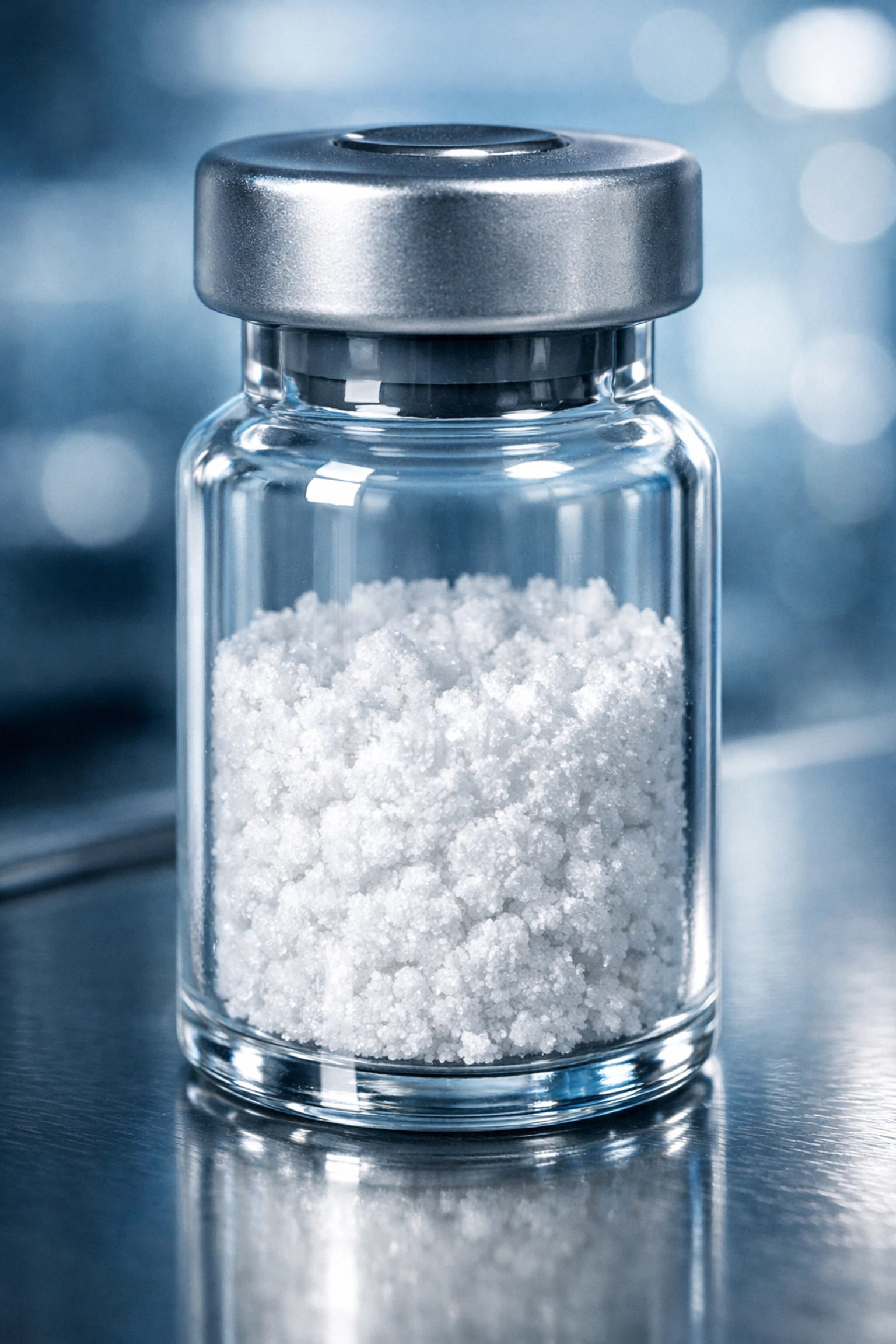 A professional medical display showing a close-up of a lyophilized peptide vial with a clinical blue glow, representing high-purity pharmaceutical-grade standards in a modern medical setting.
How Does High-Purity Semaglutide Influence Clinic Profitability and Scaling?
Scaling a weight loss clinic requires a delicate balance between high-quality patient outcomes and healthy operational margins. Many practitioners fall into the trap of sourcing the cheapest possible peptides in an attempt to lower their cost of goods sold (COGS). However, this strategy is often counterproductive. When patients experience inconsistent results or frequent side effects due to low-purity products, the cost of patient acquisition skyrockets because the lifetime value of each patient decreases. Conversely, by utilizing a premium product like Cagrilintide or high-purity GLP-1s , clinics can build a reputation for excellence that drives organic growth through referrals.
Furthermore, the operational advantages of sourcing from reputable USA-based suppliers cannot be overstated. Wholesale pricing models allow clinics to access 99%+ pure Semaglutide at rates that sustain high margins, especially when ordered in volume. The convenience of 2-day shipping is another critical factor in scaling. In the modern healthcare environment, inventory management must be lean and responsive. Relying on international shipments that can be delayed by customs or damaged in transit creates bottlenecks that disrupt patient care. A reliable supply chain ensures that the clinic can scale its patient base without the fear of stockouts, thereby maintaining a steady revenue stream and fostering a professional environment of reliability and trust.
Why is the Lyophilized Format Superior for Weight Loss Protocols?
The stability of a peptide is largely determined by its physical state and the environment in which it is stored. Semaglutide, like most peptides, is sensitive to heat, light, and mechanical agitation. While pre-mixed liquid formulations are common in the consumer market, professional clinics often prefer lyophilized (freeze-dried) vials for their superior stability and shelf life. Lyophilization removes moisture from the peptide while it is frozen, resulting in a stable powder that can be stored for extended periods without significant degradation of the molecular structure. This ensures that the peptide remains at its peak potency from the moment it leaves the laboratory until it is reconstituted for use.
Additionally, the lyophilized format provides practitioners with greater flexibility in dosing. Each clinic can tailor the concentration of the reconstituted solution to meet the specific needs of the patient, allowing for more precise titration protocols. This is particularly important when managing the common gastrointestinal side effects associated with GLP-1 agonists; the ability to adjust the dose accurately can be the difference between a patient continuing their journey or discontinuing treatment due to discomfort. By providing a stable, high-purity product in a professional format, clinics demonstrate a commitment to clinical excellence that distinguishes them from "pill mill" operations.
 An infographic-style image in clinical blue tones illustrating the stability of lyophilized peptides versus liquid formulations, showcasing molecular integrity and professional storage.
How Can Clinics Integrate Peptide Therapy into Broader Wellness Protocols?
While Semaglutide is a powerful tool for weight loss, the most successful clinics recognize that it is often part of a larger metabolic puzzle. Integrating Semaglutide with other therapeutic peptides and hormone optimization protocols can lead to even more impressive patient transformations. For instance, addressing hormonal imbalances alongside GLP-1 therapy can help preserve lean muscle mass during rapid weight loss, which is a common concern among aging populations. Understanding how to integrate peptide therapy with hormone optimization allows practitioners to offer a holistic approach to longevity and healthspan.
Moreover, as the clinic scales, offering complementary therapies can diversify revenue streams and improve patient retention. Patients who achieve their weight loss goals often become interested in other aspects of aesthetic and regenerative medicine. This may include dermatological improvements using peptides like GHK-Cu or metabolic enhancers that target mitochondrial function. By positioning the clinic as a comprehensive center for peptide excellence, owners can capitalize on the trust built during the weight loss phase to guide patients toward a total lifestyle transformation.
Conclusion: The Future of Weight Loss and Clinical Excellence
The future of medical weight loss is undeniably bright, with Semaglutide serving as the catalyst for a new era of metabolic health. As the industry continues to mature, the focus will increasingly shift away from basic access and toward the nuances of quality, purity, and clinical precision. Clinic owners who invest in high-purity, USA-made peptides with verifiable COAs will not only protect their patients but also build the most resilient and profitable practices in the marketplace. By choosing a partner like Biomed Peptides, healthcare providers can ensure they are delivering the gold standard of care, backed by wholesale pricing and rapid shipping that supports seamless growth.
Ultimately, the goal of any weight loss clinic is to transform lives. This transformation begins at the molecular level. When a patient receives a 99%+ pure peptide, they are receiving the best possible chance at overcoming obesity and its related comorbidities. As research continues to uncover new applications for GLP-1s and other synergistic peptides, the clinics that prioritize purity today will be the leaders of the healthcare landscape tomorrow. The journey toward scaling a successful practice is paved with a commitment to excellence, and that excellence starts with the very vial that sits on the clinic shelf.
 A forward-looking conceptual image in clinical blue showing a thriving medical clinic with satisfied patients and advanced diagnostic tools, symbolizing the success of a high-purity peptide protocol.