
Revitalizing Dermatology: Why GHK-Cu is the Must-Have Peptide for Medical Esthetics in 2026
Revitalizing Dermatology: Why GHK-Cu is the Must-Have Peptide for Medical Esthetics in 2026
![[HERO] Revitalizing Dermatology: Why GHK-Cu is the Must-Have Peptide for Medical Esthetics in 2026](https://cdn.marblism.com/tG53S4MlEDd.webp)
The landscape of medical esthetics in 2026 has transitioned from simple symptom management toward a more sophisticated model of regenerative biology. Licensed healthcare providers are increasingly seeking interventions that do not merely mask the signs of chronological aging but rather address the underlying cellular mechanisms responsible for tissue degradation. Central to this paradigm shift is GHK-Cu, a naturally occurring copper-binding tripeptide that has demonstrated an unparalleled ability to modulate genetic expression and stimulate comprehensive dermal repair. As patient demand for high-efficacy, low-downtime procedures continues to escalate, the integration of high-purity peptides into clinical protocols has become a definitive marker of an advanced medical practice.
What defines the regenerative potential of GHK-Cu in modern dermatology?
GHK-Cu, or glycyl-L-histidyl-L-lysine copper, is a small protein fragment that possess a high affinity for copper ions, which are essential cofactors for numerous enzymatic reactions within the human body. Historically identified in human plasma during the 1970s, this molecule has regained prominence due to its multifaceted role in wound healing, anti-inflammation, and tissue remodeling. Specifically, the peptide functions as a signal molecule that alerts the body to begin the repair process following injury or environmental stress. Furthermore, the presence of copper within the complex allows for the activation of superoxide dismutase, an enzyme that provides critical antioxidant protection against the oxidative stress that accelerates skin aging.
The biological significance of this peptide lies in its ability to operate at a foundational level within the extracellular matrix, which is the structural framework that supports skin cells. Unlike many traditional topical agents that only affect the most superficial layers of the epidermis, GHK-Cu penetrates deeper to influence the behavior of fibroblasts and keratinocytes. Additionally, this interaction promotes a balanced environment where the synthesis of new structural proteins is optimized while the degradation of existing tissue is strictly regulated. This dual-action mechanism ensures that the skin remains resilient, hydrated, and capable of maintaining its structural integrity against the inevitable pressures of time and environmental exposure.
How does the copper peptide complex influence genetic expression and cellular longevity?
One of the most remarkable findings in recent dermatological research is the ability of GHK-Cu to influence human gene expression, effectively resetting the cellular clock of aged skin. Scientific analysis indicates that the peptide can modulate the expression of over 4,000 genes, shifting them toward a state that more closely resembles youthful tissue. Specifically, it upregulates genes responsible for the production of collagen and elastin while downregulating those associated with chronic inflammation and cellular senescence. Moreover, this genetic "reset" allows older cells to regain the metabolic efficiency and proliferative capacity that is typically lost during the aging process.
Furthermore, the influence of GHK-Cu extends to the regulation of DNA repair mechanisms, which are vital for maintaining genomic stability in the face of UV radiation and pollutants. By enhancing the cell's natural ability to repair damaged genetic material, the peptide reduces the accumulation of mutations that contribute to thinning skin and irregular pigmentation. Additionally, this genomic stabilization supports the long-term health of the dermal layer, ensuring that new cells produced are of the highest quality. This profound impact on gene expression positions GHK-Cu not just as a cosmetic additive, but as a potent biological tool for providers focused on the longevity of their patients' skin health.
Why is the modulation of matrix metalloproteinases essential for dermal remodeling?
Dermal remodeling is a complex process that requires a delicate balance between the creation of new tissue and the removal of old, damaged components. Matrix metalloproteinases (MMPs) are enzymes responsible for breaking down collagen and other structural proteins; however, when these enzymes are overactive: often due to aging or UV exposure: they cause excessive degradation of the skin’s framework. GHK-Cu serves as a critical regulator in this process by balancing the activity of MMPs with their natural inhibitors. Specifically, it ensures that old proteins are cleared away efficiently while protecting the newly synthesized collagen from premature destruction.
Moreover, this regulatory capacity is vital for preventing the formation of disorganized scar tissue and promoting the development of a healthy, organized dermal matrix. When the skin heals under the influence of GHK-Cu, the collagen fibers are deposited in a more uniform and parallel manner, which is characteristic of young, resilient skin. Additionally, this organized remodeling leads to a visible improvement in skin texture and a reduction in the appearance of fine lines and deep wrinkles. Consequently, providers who utilize GHK-Cu in their clinical protocols can offer patients a more sophisticated form of rejuvenation that prioritizes the structural quality of the skin over temporary superficial improvements.
A comparative analysis: Why does GHK-Cu outperform traditional topical interventions?
When evaluated against traditional anti-aging cornerstones such as Vitamin C and Retinoic Acid, GHK-Cu demonstrates a superior ability to stimulate collagen production and improve skin density. While Retinoic Acid is highly effective at increasing cell turnover, it often causes significant irritation, redness, and peeling, which can limit patient compliance and exclude those with sensitive skin types. Conversely, GHK-Cu provides comparable, and in some studies superior, collagen-stimulating effects without the associated inflammatory response. Specifically, clinical trials have shown that GHK-Cu can increase collagen production in a larger percentage of participants than either Vitamin C or tretinoin over a twelve-week period.
Furthermore, the tolerability of GHK-Cu makes it an ideal choice for a wider demographic of patients, including those who cannot tolerate the harsh nature of traditional retinoids. While Vitamin C is an excellent antioxidant, its stability and penetration can be problematic in clinical formulations. GHK-Cu, however, remains stable and highly bioactive when sourced at 99%+ purity levels, ensuring consistent results for the practitioner. Additionally, the multi-pathway action of GHK-Cu: addressing inflammation, oxidation, and structural synthesis simultaneously: offers a more comprehensive solution than single-mechanism ingredients. This comparative advantage ensures that GHK-Cu will remain a staple in the high-end medical esthetics market for years to come.
How can medical practices integrate GHK-Cu into post-procedural recovery protocols?
The utility of GHK-Cu extends far beyond daily maintenance, as it serves as an exceptional adjunctive therapy for enhancing the results of common in-office procedures. Specifically, following treatments such as microneedling, chemical peels, or fractional laser resurfacing, the skin enters a state of controlled inflammation and repair. The application of GHK-Cu during this critical window can accelerate the healing process by reducing pro-inflammatory cytokines such as IL-6 and TNF-alpha. Moreover, by decreasing the inflammatory markers by up to 60%, the peptide significantly reduces patient downtime and the risk of post-inflammatory hyperpigmentation.
Additionally, the use of GHK-Cu in the post-procedural phase ensures that the regenerative signals sent by the procedure are amplified and directed toward high-quality tissue synthesis. Because the peptide promotes the synthesis of glycosaminoglycans, such as hyaluronic acid, it also assists in maintaining dermal hydration during the recovery period. Furthermore, the increased production of Type I and Type III collagen initiated by the peptide ensures that the long-term results of the procedure are more pronounced and durable. Medical practices that adopt these advanced recovery protocols will likely see higher patient satisfaction scores as the results of their interventions are both faster and more transformative.
The critical role of high-purity, USA-made peptides in modern clinical practice
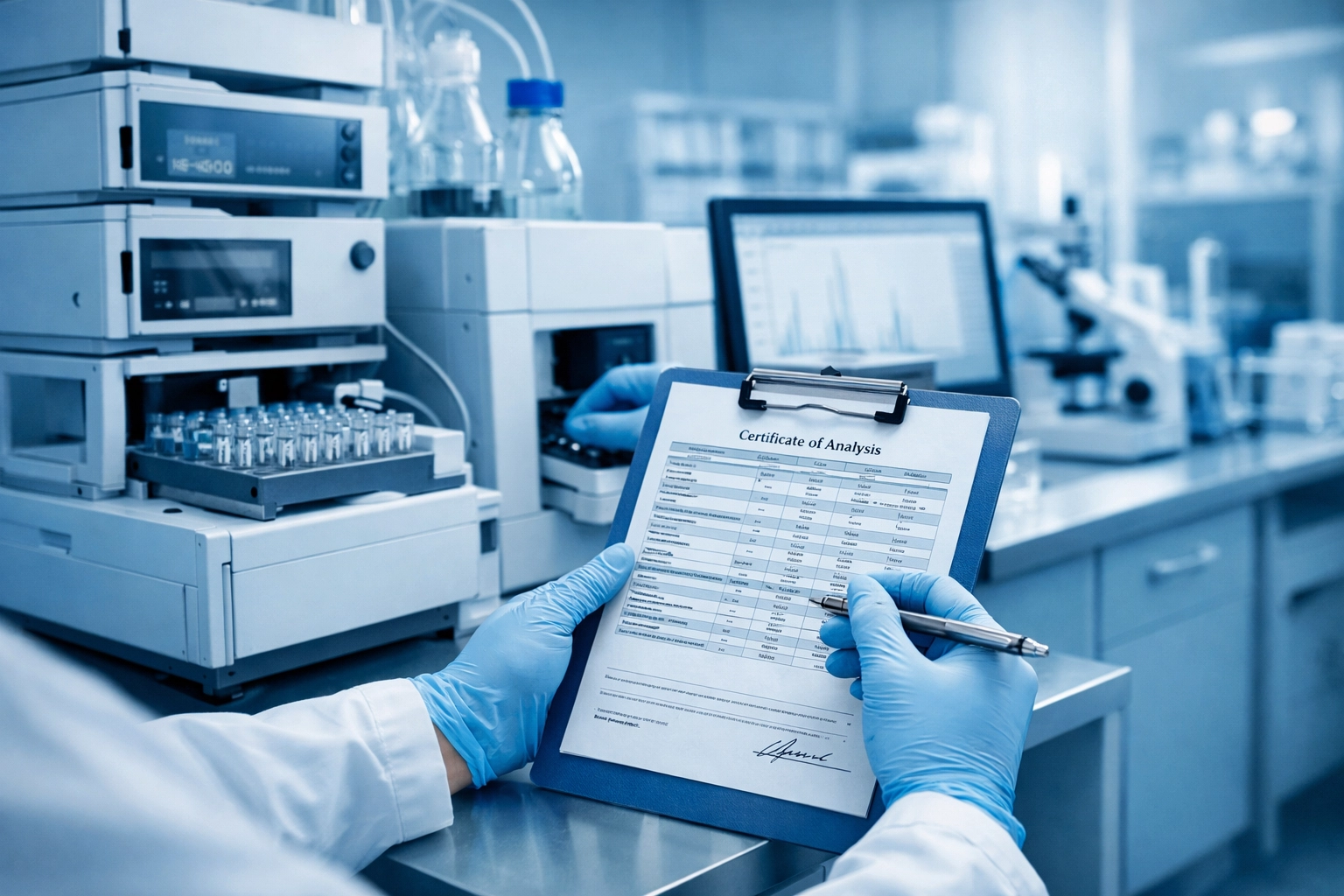
For the licensed healthcare provider, the efficacy of a peptide protocol is entirely dependent on the quality and purity of the research materials utilized. Substandard or contaminated products can not only lead to sub-optimal clinical outcomes but can also pose significant risks to patient safety and the provider's professional standing. Specifically, peptides sourced from Biomed Peptides are manufactured in the USA and undergo rigorous third-party testing to ensure a purity level of 99% or greater. Moreover, the availability of a comprehensive Certificate of Analysis (COA) for every batch provides the transparency required for evidence-based medical practices to operate with total confidence.
Furthermore, sourcing high-purity peptides directly at wholesale pricing allows clinics to maintain healthy margins while offering the most advanced therapies available in the field of regenerative medicine. Because Biomed Peptides specializes in serving NPI holders, the procurement process is streamlined to meet the specific needs of medical professionals without the hurdles of traditional retail channels. Additionally, the commitment to USA-made quality ensures that the structural integrity of the peptides is preserved through strict manufacturing standards and rapid shipping protocols. By prioritizing purity and transparency, providers can safeguard their practice and deliver the consistent, high-impact results that modern patients expect from a premier medical esthetic facility.
Conclusion: The future of dermatological rejuvenation and clinical excellence
As we progress through 2026, the integration of GHK-Cu into medical esthetic practices represents more than just a trend; it is a fundamental advancement in how we approach skin health and aging. The ability to influence gene expression, balance enzymatic activity, and promote organized tissue remodeling places GHK-Cu at the very forefront of the regenerative medicine revolution. Furthermore, the peptide’s versatility as both a standalone therapeutic and a post-procedural enhancer makes it an indispensable asset for any clinic looking to differentiate itself in a competitive market. Specifically, the shift toward biological restoration ensures that patients receive results that are not only aesthetically pleasing but also biologically superior.
The promise of GHK-Cu lies in its capacity to transform the standard of care from reactive maintenance to proactive regeneration. As research continues to uncover new applications for copper peptides, including their potential role in hair follicle restoration and systemic anti-inflammatory support, their value within the medical community will only continue to grow. Additionally, for the provider, the choice to use 99%+ pure, USA-made peptides from Biomed Peptides is a choice to prioritize excellence, safety, and scientific rigor. Ultimately, the future of dermatology is one where the molecular mechanisms of youth are harnessed with precision, offering a transformative path toward lasting vitality and clinical success.