
The Mitochondrial Duo: Why MOTS-c and SS-31 are the New Standard for Longevity Clinics
The Mitochondrial Duo: Why MOTS-c and SS-31 are the New Standard for Longevity Clinics
![[HERO] The Mitochondrial Duo: Why MOTS-c and SS-31 are the New Standard for Longevity Clinics](https://cdn.marblism.com/bZ0UJ6CbQ-j.webp)
The landscape of restorative medicine is undergoing a profound paradigm shift as the focus of therapeutic intervention moves from systemic symptom management to the precision optimization of cellular organelles. Central to this evolution is the burgeoning field of mitochondrial medicine, which identifies the decline in mitochondrial function as a primary driver of the aging process and chronic degenerative conditions. As healthcare providers seek more sophisticated ways to enhance patient vitality, two specific peptides have emerged as the gold standard for cellular rejuvenation: MOTS-c and SS-31. These compounds do not merely mask the signs of aging; they fundamentally alter the bioenergetic capacity of the cell by addressing the structural integrity and signaling pathways of the mitochondria. By understanding the synergistic relationship between these two peptides, longevity clinics can offer a comprehensive solution to cellular decay that was previously unattainable through traditional supplementation alone.
What defines the shift toward mitochondrial-targeted longevity protocols?
Modern longevity medicine is increasingly defined by its ability to modulate the biological markers of aging at a foundational level. Mitochondria are the primary sites of adenosine triphosphate (ATP) production, yet they are also the primary source of reactive oxygen species (ROS), which contribute to oxidative stress and cellular senescence. Over time, the efficiency of the electron transport chain diminishes, leading to a state of chronic energy deficiency and increased molecular damage. Specifically, the degradation of mitochondrial membranes and the loss of mitochondrial-derived signaling peptides create a feedback loop that accelerates systemic aging. Consequently, clinicians are moving away from broad-spectrum antioxidants in favor of targeted peptides like SS-31 and MOTS-c, which penetrate the mitochondrial matrix to provide localized repair and metabolic regulation. This transition represents a move toward "mitochondrial fitness," where the goal is to restore the density and efficiency of these organelles to levels seen in youthful tissue.

How does SS-31 stabilize the architecture of cellular energy production?
SS-31, also known as Elamipretide, is a tetrapeptide that serves as a cornerstone of mitochondrial structural repair. Its primary mechanism of action involves a high affinity for cardiolipin, a unique phospholipid located exclusively within the inner mitochondrial membrane. Cardiolipin is essential for maintaining the curvature of the mitochondrial cristae and for the proper assembly of the electron transport chain complexes. When cardiolipin undergoes oxidative damage, the structural integrity of the mitochondria collapses, leading to electron leakage and a subsequent drop in ATP production. SS-31 binds to cardiolipin, shielding it from peroxidation and effectively "re-anchoring" the protein complexes required for efficient respiration. Furthermore, research has demonstrated that SS-31 can reverse mitochondrial fragmentation, a hallmark of aging cells, and restore a healthy, elongated mitochondrial network. By stabilizing the physical architecture of the mitochondria, SS-31 ensures that the machinery of life remains robust and resistant to the stressors of the aging process.
What role does MOTS-c play in metabolic signaling and exercise mimesis?
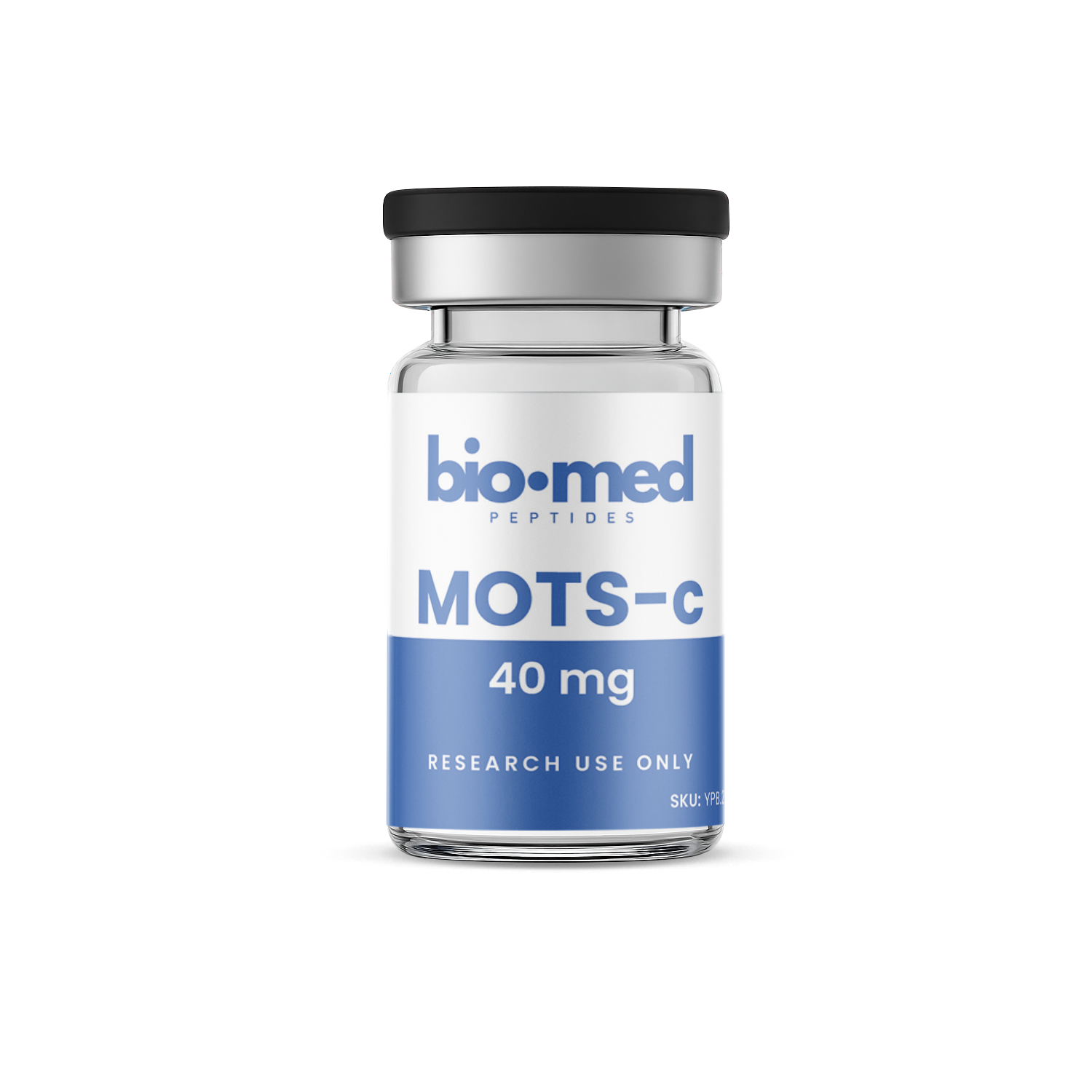
While SS-31 focuses on the structural preservation of the mitochondria, MOTS-c functions as a powerful metabolic orchestrator. MOTS-c is a mitochondrial-derived peptide (MDP) encoded by the mitochondrial DNA itself, serving as a critical communication link between the mitochondria and the cell nucleus. Specifically, MOTS-c is released in response to metabolic stress and translocates to the nucleus to regulate gene expression related to glucose metabolism and fatty acid oxidation. It is frequently referred to as an "exercise mimetic" because it activates the AMPK pathway, effectively tricking the body into a state of heightened metabolic activity similar to that achieved during high-intensity physical training. Moreover, MOTS-c has been shown to significantly improve insulin sensitivity and reduce the accumulation of visceral fat, making it an indispensable tool for patients struggling with metabolic syndrome or age-related weight gain. By restoring the signaling cues that naturally decline with age, MOTS-c revitalizes the body’s internal communication systems, leading to enhanced physical performance and metabolic flexibility.
Why does the combination of MOTS-c and SS-31 represent a superior clinical approach?
The true power of mitochondrial therapy lies in the synergistic application of SS-31 and MOTS-c, as they address two distinct but interconnected aspects of mitochondrial health. SS-31 provides the structural foundation by repairing the inner membrane and reducing oxidative stress, which creates a stable environment for the mitochondria to function. Once the structural integrity is restored, MOTS-c can more effectively modulate the metabolic pathways and signaling cascades that drive energy expenditure and systemic vitality. Specifically, a clinician might view SS-31 as the process of "repairing the engine," while MOTS-c represents "optimizing the fuel and the computer system." Without the structural stability provided by SS-31, the metabolic signals of MOTS-c may fall on deaf ears or be hampered by inefficient energy production. Conversely, structural repair without metabolic signaling may not result in the perceptible increase in energy and weight loss that patients desire. Together, this duo provides a dual-action approach that repairs cellular damage while simultaneously boosting functional output, setting a new standard for comprehensive longevity protocols.

How can healthcare providers integrate mitochondrial peptides into existing wellness programs?
Integrating SS-31 and MOTS-c into a clinical setting allows providers to offer highly customized protocols that target the root causes of patient fatigue and metabolic decline. For instance, these peptides are exceptionally effective when stacked with other performance-enhancing compounds or weight management medications. In cases where patients are utilizing cagrilintide or other GLP-1 agonists , the addition of MOTS-c can help preserve lean muscle mass and prevent the metabolic slowdown often associated with rapid weight loss. Furthermore, for patients focused on cognitive longevity and neuroprotection, the oxidative stress reduction provided by SS-31 offers a protective layer for the highly metabolic tissues of the brain. Providers may also consider combining these mitochondrial agents with BPC-157 to enhance systemic recovery and tissue repair. By positioning MOTS-c and SS-31 as foundational elements of a broader wellness strategy, clinics can achieve more sustainable results and higher patient satisfaction through multi-pathway intervention.
Why is pharmaceutical purity and domestic sourcing critical for patient outcomes?
In the rapidly expanding market of peptide therapy, the quality and origin of the compounds are paramount to ensuring both safety and efficacy. Mitochondrial peptides are notoriously sensitive; MOTS-c and SS-31 require precise manufacturing processes to maintain their biological activity and structural integrity. Biomed Peptides addresses these requirements by offering USA-made products that undergo rigorous third-party testing to guarantee a purity level of 99% or higher. For healthcare providers, sourcing from a reputable domestic laboratory is not merely a matter of logistics; it is a commitment to patient safety and clinical excellence. Furthermore, Biomed Peptides provides wholesale pricing and no minimum order requirements, enabling clinics to maintain a diverse inventory of high-purity peptides without the burden of excessive overhead. By utilizing peptides that are backed by a Certificate of Analysis (COA) and manufactured in the United States, clinicians can prescribe with confidence, knowing that the "Mitochondrial Duo" they provide is of the highest pharmaceutical grade available.

The future of cellular optimization through mitochondrial medicine
The integration of MOTS-c and SS-31 into longevity clinics marks the beginning of a new era in which cellular aging is no longer viewed as an inevitable decline, but rather as a manageable biological process. As research continues to uncover the deep-seated connections between mitochondrial health and systemic longevity, the role of these peptides will only become more central to the standard of care. Specifically, the ability to repair the very organelles that power human life offers a level of intervention that was previously the stuff of science fiction. Healthcare providers who embrace these advancements today are positioning themselves at the forefront of a medical revolution that prioritizes cellular integrity and bioenergetic efficiency. Consequently, the "Mitochondrial Duo" serves as a beacon of promise for the future of human health, offering a transformative path toward sustained vitality, metabolic resilience, and an extended healthspan. For more information on sourcing these and other innovative peptides, visit the Biomed Peptides blog to stay updated on the latest developments in the field.