
Why the Wolverine Blend is a Game-Changer for Medspas: Maximizing Patient Healing and Retention
Why the Wolverine Blend is a Game-Changer for Medspas: Maximizing Patient Healing and Retention
![[HERO] Why the Wolverine Blend is a Game-Changer for Medspas: Maximizing Patient Healing and Retention](https://cdn.marblism.com/UBBbfXY61jF.webp)
Modern regenerative medicine has undergone a significant paradigm shift, moving away from simple symptom management toward the biological optimization of the human body. In the competitive landscape of medical aesthetics and wellness clinics, the integration of advanced peptide protocols is no longer a luxury but a clinical necessity for those seeking superior patient outcomes. Specifically, the combination of BPC-157 and Thymosin Beta-4, colloquially known as the "Wolverine Blend," represents a pinnacle in tissue repair and systemic recovery technology. This dual-peptide approach targets the underlying mechanisms of cellular regeneration, offering a robust solution for patients dealing with chronic injuries, post-procedural inflammation, or age-related tissue degradation. Furthermore, as medspas transition into holistic wellness centers, the Wolverine Blend serves as a cornerstone for patient retention by delivering tangible, accelerated results that traditional modalities often fail to provide.
What defines the physiological synergy of the Wolverine Blend?
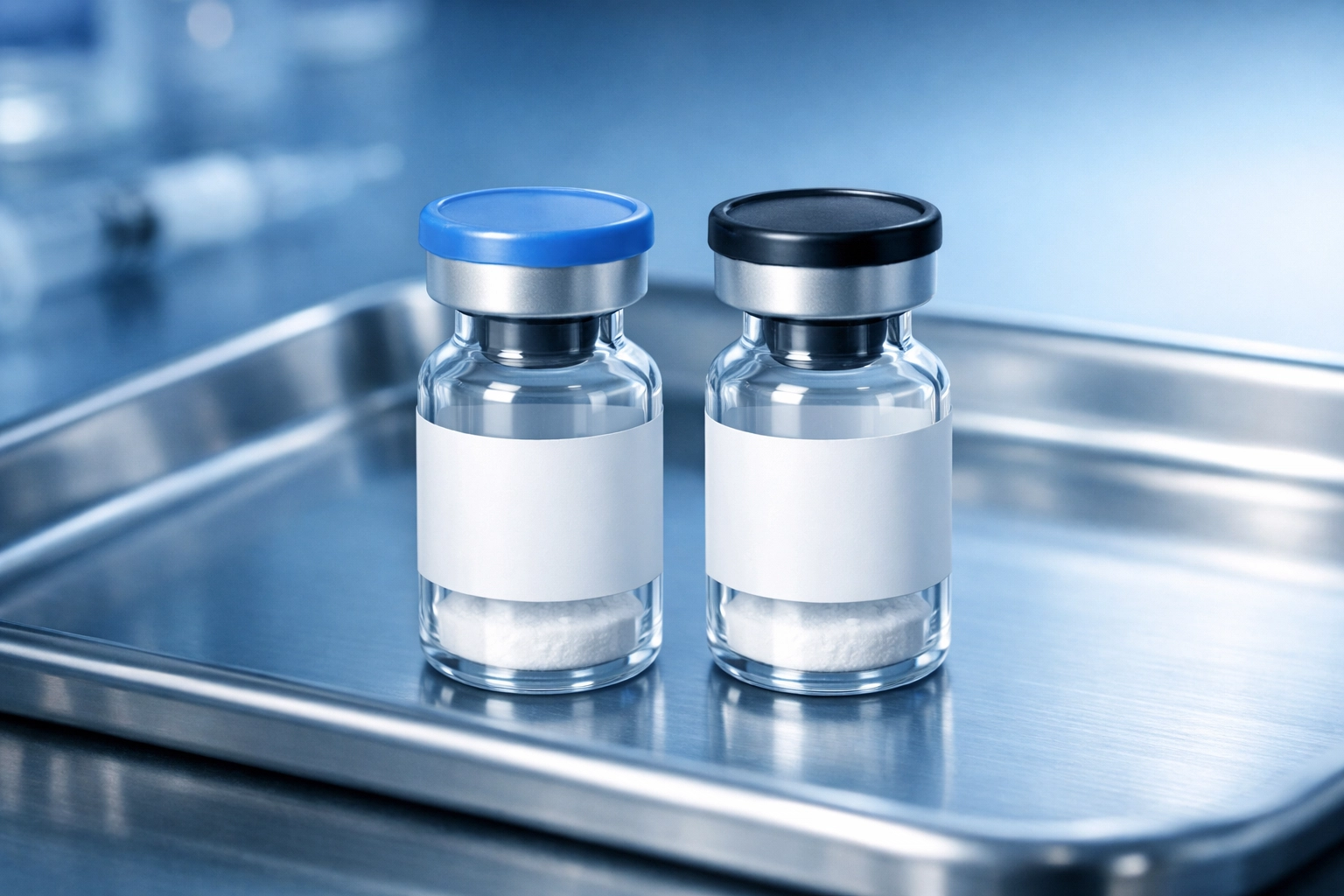
The Wolverine Blend is a sophisticated formulation that leverages the complementary pathways of two potent peptides: BPC-157 and TB-500 (a synthetic version of the naturally occurring Thymosin Beta-4). While each peptide possesses remarkable healing properties independently, their combined administration creates a synergistic effect that addresses recovery from multiple biological angles. BPC-157, or Body Protective Compound 157, is a pentadecapeptide primarily known for its local and systemic cytoprotective effects, particularly in the gastrointestinal tract and musculoskeletal system. TB-500, on the other hand, is a protein sequence that promotes cellular migration and the formation of new blood vessels, a process known as angiogenesis. Together, these compounds facilitate a comprehensive healing environment that mimics the body’s innate regenerative processes but at a significantly accelerated rate.
How does BPC-157 facilitate rapid tissue reconstruction?
Foundational research into BPC-157 reveals its unique ability to upregulate the expression of growth hormone receptors in tendon fibroblasts, which essentially primes the tissue for more efficient repair. This peptide, often sourced by practitioners in 20mg configurations for clinical flexibility, promotes the healing of tendons, ligaments, and muscle fibers by modulating the nitric oxide pathway. Specifically, it stabilizes the vascular endothelium, ensuring that the blood-to-tissue interface remains healthy and functional during the inflammatory phase of healing. Moreover, BPC-157 has demonstrated a profound ability to counteract the negative side effects of non-steroidal anti-inflammatory drugs (NSAIDs), which are frequently overused in patient populations suffering from chronic pain. By promoting collagen synthesis and reducing oxidative stress, BPC-157 ensures that the new tissue formed is structurally sound and functionally equivalent to the original, healthy tissue.
What role does TB-500 play in systemic cellular migration?
Thymosin Beta-4 is one of the most abundant actin-sequestering molecules in the human body, playing a pivotal role in maintaining the structural integrity of the cytoskeleton. In the context of the Wolverine Blend, the synthetic TB-500 variant works by promoting the migration of endothelial cells and keratinocytes to the site of injury. This migration is critical because it allows for the rapid deposition of repair proteins and the establishment of a localized vascular network that can sustain the metabolic demands of healing tissue. Additionally, TB-500 possesses a low molecular weight, allowing it to travel through tissues easily and exert systemic effects even when administered far from the primary site of injury. This systemic reach is particularly beneficial for medspa patients who may be recovering from multi-site procedures or systemic inflammation. Furthermore, the peptide exhibits potent anti-fibrotic properties, ensuring that the healing process does not result in excessive scar tissue formation that could limit range of motion.
How does the Wolverine Blend compare to traditional recovery modalities?
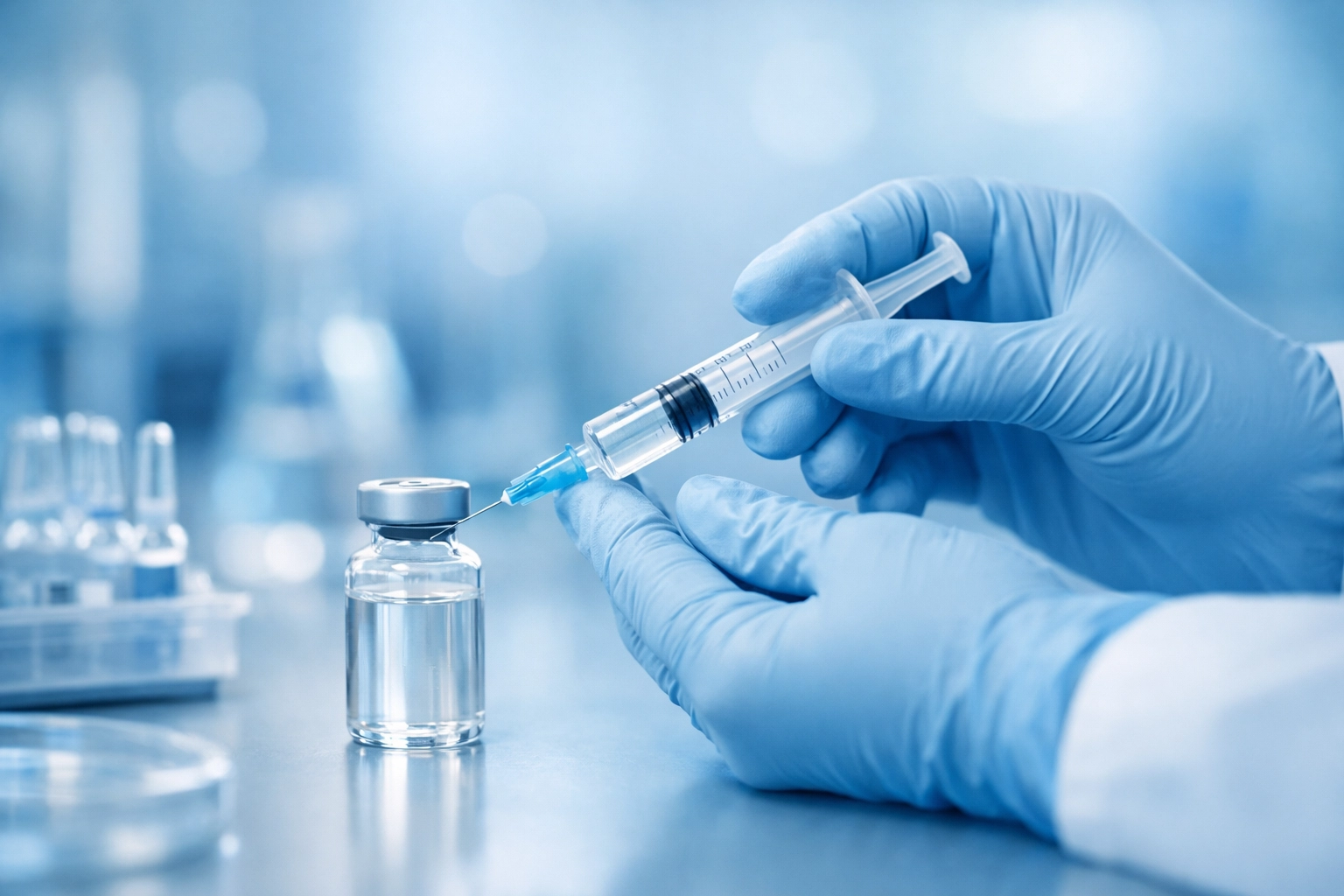
A comparative analysis between peptide therapy and traditional recovery methods, such as corticosteroid injections or oral NSAIDs, highlights a fundamental difference in therapeutic philosophy. Traditional pharmacological interventions often focus on the suppression of inflammation, which, while beneficial for pain relief, can inadvertently stall the proliferative phase of tissue repair. In contrast, the Wolverine Blend modulates the inflammatory response without completely suppressing the biological signals necessary for regeneration. Specifically, while corticosteroids may lead to the long-term degradation of collagenous tissues, BPC-157 and TB-500 actively support the proliferation of these tissues. Additionally, the side-effect profile of these peptides is significantly more favorable when compared to the systemic risks associated with long-term steroid use or the gastric complications of chronic NSAID ingestion. Consequently, the Wolverine Blend offers a more sustainable, health-promoting alternative for patients seeking long-term wellness rather than temporary relief.
Why is this combination a strategic asset for medspa patient retention?
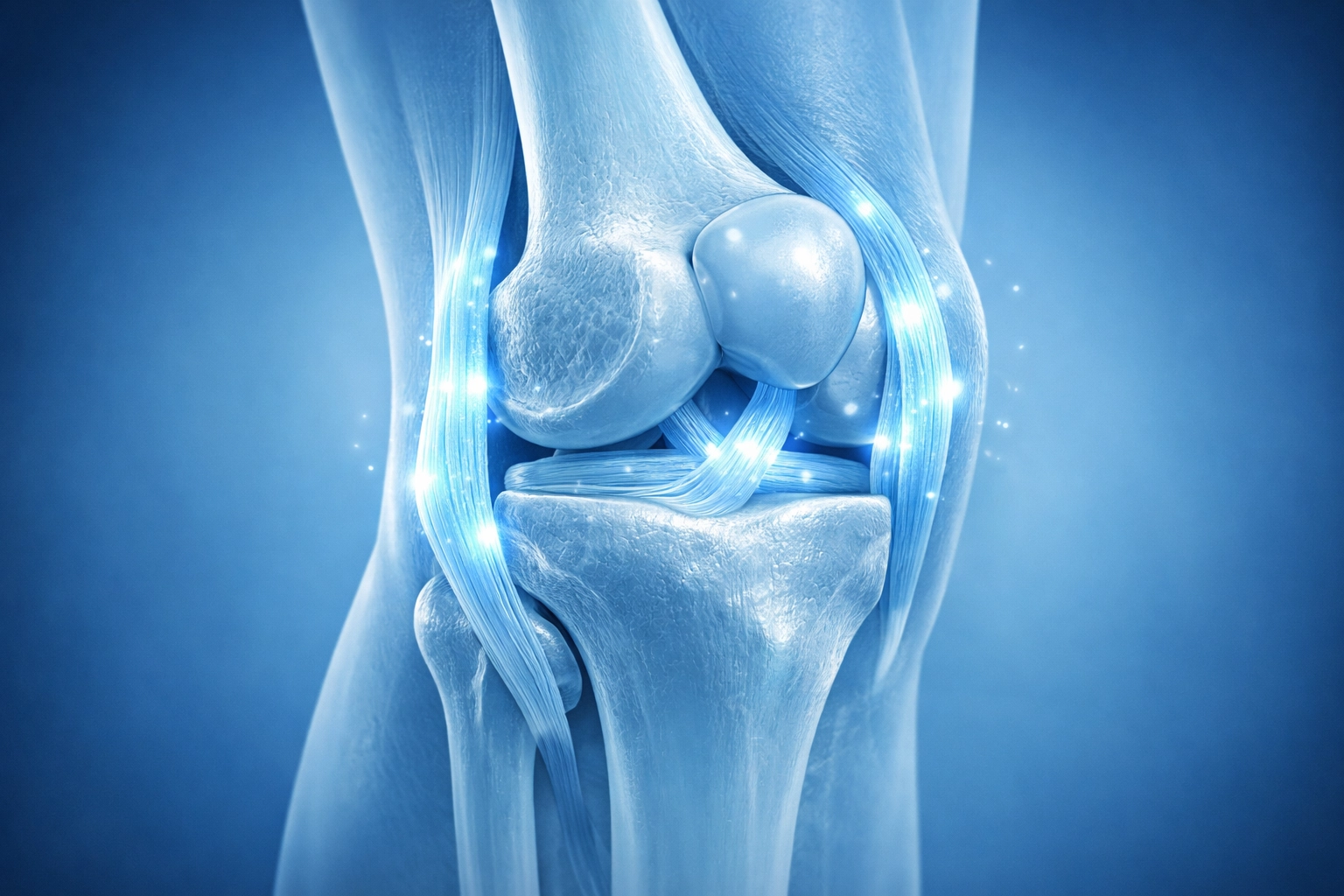
In the modern medspa market, patient retention is directly correlated with the speed and visibility of results. When a patient experiences an accelerated recovery from a laser treatment, a surgical procedure, or a sports injury due to a prescribed peptide protocol, their confidence in the provider increases substantially. The Wolverine Blend acts as a high-value "anchor" service that differentiates a practice from competitors who may only offer standard aesthetic treatments. Moreover, the administration of these peptides often requires ongoing clinical oversight and follow-up, which naturally increases the frequency of patient touchpoints. This consistent engagement allows providers to introduce additional services, such as PNC-27 for immune support or 5-Amino-1MQ for metabolic optimization, further cementing the relationship between the patient and the clinic. As patients see quantifiable improvements in their physical resilience and recovery times, they are far more likely to remain loyal to the practice that provided the solution.
What are the quality standards required for clinical-grade peptides?
For healthcare providers and NPI holders, the efficacy of the Wolverine Blend is entirely dependent on the purity and stability of the compounds utilized. Substandard manufacturing processes can lead to the presence of truncated peptide sequences or residual solvents, which not only diminish the therapeutic effect but can also cause adverse reactions in patients. Specifically, peptides produced by Biomed Peptides are manufactured in the United States under stringent quality control protocols to ensure 99%+ purity levels. Each batch undergoes rigorous third-party testing, providing clinicians with a comprehensive Certificate of Analysis (COA) that verifies the identity and potency of the product. Furthermore, the lyophilization process used for these vials ensures a stable shelf life and preserves the delicate molecular structure of the BPC-157 and TB-500 sequences. By prioritizing USA-made quality and wholesale pricing transparency, medical practices can confidently integrate these powerful tools into their daily protocols without compromising on patient safety.
What does the future hold for regenerative peptide therapy in wellness?
The trajectory of regenerative medicine suggests that the integration of peptides will continue to expand into nearly every facet of clinical wellness. Future developments will likely include more sophisticated delivery systems and even more targeted peptide sequences that can address specific tissue types with surgical precision. Additionally, the growing body of clinical data supporting the Wolverine Blend will likely lead to its adoption as a standard-of-care protocol in post-operative recovery and sports medicine. Providers who early-adopt these technologies will be positioned as leaders in the field, capable of offering cutting-edge solutions that go beyond the surface level. The potential for the Wolverine Blend to transform the landscape of patient care is immense, promising a future where "unrecoverable" injuries become a thing of the past.
The Wolverine Blend represents a transformative leap in the ability of medspas to manage patient healing and long-term vitality. By combining the localized protective power of BPC-157 with the systemic regenerative capabilities of TB-500, practitioners can offer a comprehensive solution that addresses the very root of tissue repair. This approach not only enhances the clinical reputation of the provider but also builds a foundation of trust and retention with patients who are eager for real, biological results. As the medical community continues to embrace the potential of high-purity, USA-made peptides, the Wolverine Blend will undoubtedly remain at the forefront of the regenerative revolution, offering a promising future of health and resilience for all. Professionals looking to expand their offerings are encouraged to create an account to access wholesale opportunities and elevate their practice to the next level of clinical excellence.